





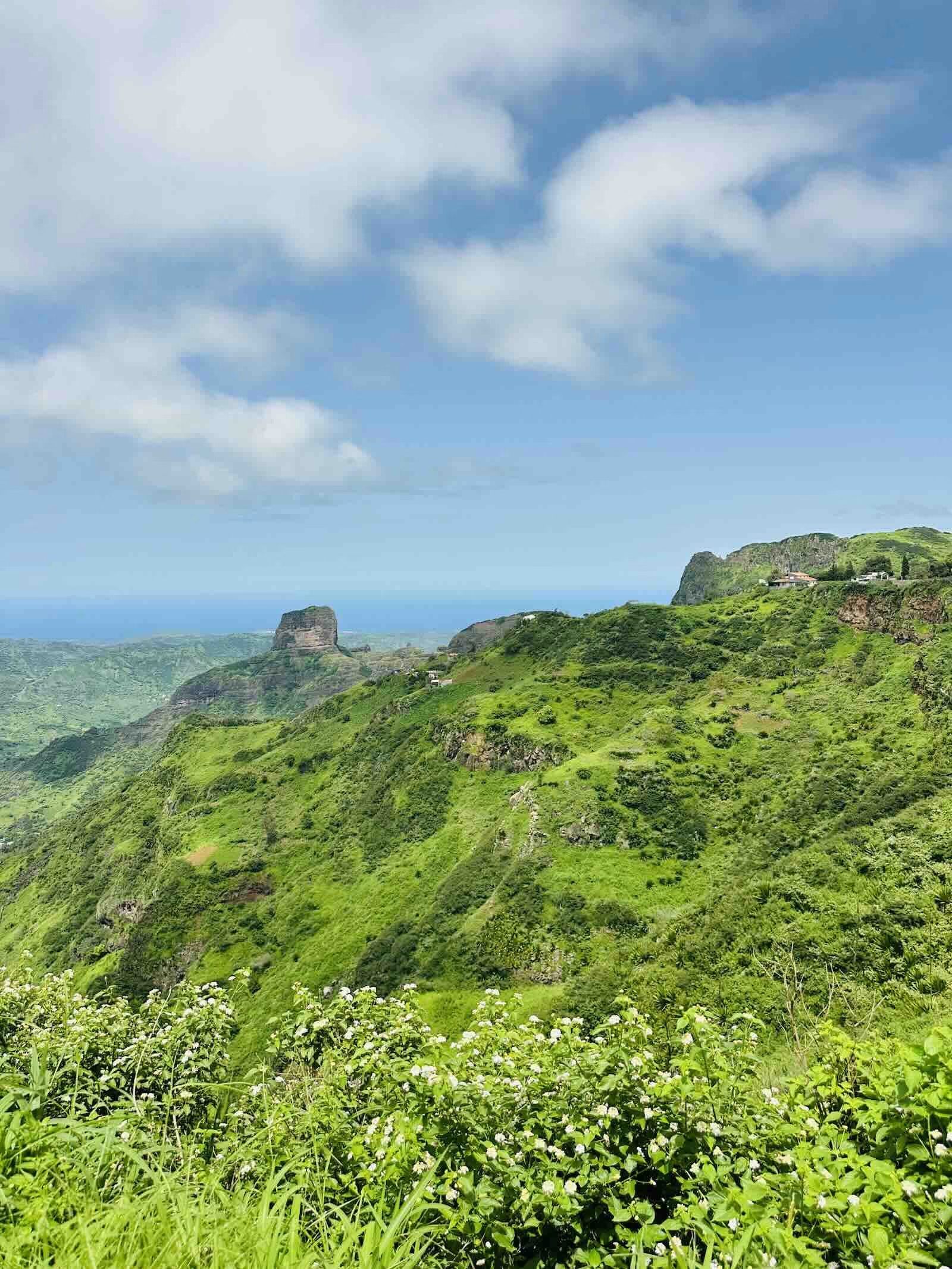
Cape Verde is not known as a mountainous country. But anyone who thinks that has not yet seen the Pico de Antónia.
At 1,394 meters, the Pico de Antónia is the highest peak on Santiago. Not the highest in Cape Verde—that honor goes to the Pico do Fogo on the volcanic island of Fogo—but on Santiago, it is the undisputed king. And anyone who climbs it understands why.
Bruno, local guide for Kaapverdië Tours on Santiago, regularly leads groups to the summit of Pico de Antónia. He knows the route, the pitfalls, and the moments when the view leaves you speechless. In this article, he shares everything you need to know before you start.
The area: Pico de Antónia Natural Park
Pico de Antónia is part of the national park of the same name in the center of Santiago. The park is one of the last places on the island where you can still find endemic trees and shrubs, such as the spotted dragon tree and various species of native acacia trees.
The park is also a paradise for bird watchers. The Cape Verde warbler and rare seabirds nest here. Bring binoculars.
The route to the top
Er zijn meerdere routes naar de top, maar de meest begaanbare vertrekt vanuit het dorpje Rui Vaz, op zo’n 55 kilometer van Praia. Wil je weten hoe je daar het beste komt, met een huurauto, taxi of privétransfer? Bekijk onze gids over vervoer op Santiago.
- Starting point: Rui Vaz, at an altitude of 800 meters
- Destination: Summit of Pico de Antónia, 1394 meters
- Distance: approximately 7 kilometers round trip
- Height difference: approximately 600 meters
- Duration: 3 to 5 hours depending on your pace
- Level: advanced
From Rui Vaz, follow the trail upward through the vegetation. At first, the trail is wide and relatively easy to walk on. The higher you climb, the narrower and quieter it becomes. The vegetation changes: from low shrubs to trees, to rocks, and finally to the open summit.
The last 200 meters of elevation are the steepest. Here the trail calls for good shoes and possibly your hands. Not technical climbing, but firm footing is needed.
Once you reach the summit, you’ll be rewarded with a 360-degree view of the island. On clear days, you can see the outlines of other islands, including Fogo with its volcano. On foggy mornings, you’ll literally be floating among the clouds.
Practical tips from Bruno
- Shoes: Hiking boots or sturdy sneakers are required, at a minimum. Flip-flops or sandals are strictly prohibited.
- Water: Bring at least 1.5 liters per person. There are no water sources along the way.
- Leaving early: Preferably start early in the morning. Mist and heat in the afternoon can make the trip harder, and getting up early gives you the best lighting conditions for photography.
- Guide: A local guide is not mandatory, but highly recommended for first-time visitors. The trails are not perfectly marked everywhere. Through Kaapverdië Tours, we will connect you with Bruno or one of our other reliable local guides who knows the mountain like the back of his hand.
- Clothing: The peak is almost always shrouded in mist and therefore cooler than below. Bring a light jacket, even if it is warm below.
- Beste seizoen: De droge maanden, van november tot mei, geven de beste omstandigheden: drogere paden en meer kans op helder zicht vanaf de top. In het regenseizoen (juli tot begin oktober) is het pad glibberiger en is de top vaker in de wolken gehuld. Lees de maand-voor-maand details in onze gids over de beste reistijd voor Santiago.
- Keep the park clean: Do not leave any trash behind. This is a protected area.
Combine with other attractions
The trip to Rui Vaz leads past several interesting places on Santiago. You can extend the day with a visit to the Serra Malagueta National Park, which is located just north of Rui Vaz, or stop in Assomada for the local market.
A combo day is very feasible: market in Assomada in the morning, hike in the afternoon, drive back via a different route for more of the scenery. Also read our article about 7 days on Santiago for more ideas to fill your day.
Is the Pico de Antónia right for you?
The Pico de Antónia is not a hike for beginners, but it’s not an extreme mountain climb either. Anyone who is fit, adventurous, and comfortable with steep trails will find both a challenge and a reward here.
Are you a regular hiker who also hikes mountain trails at home? Then you'll love this and have a great time. Are you more of a beach person? Then the Tarrafal day tour Perhaps a better choice.
But if you do one hike on Santiago, make it this one.
After the hike
Do you know what feels great after climbing and descending 1,400 meters? A cold Strela beer, a plate of fresh cachupa, and your feet in the grass. Rui Vaz has a few small places to eat. Or keep driving to Tarrafal, that feels heavenly after a long day on the mountain.
Pico de Antónia gives you something that few destinations can: the feeling that you have truly experienced the country. From bottom to top. That stays with you, long after you are back home.
Book the Pico de Antónia hike with Bruno
Kaapverdië Tours guides hikers to the summit of Pico de Antónia with Bruno and other local guides who know the mountain inside out. Small groups, personal guidance, and complete peace of mind from Praia.
Check out the Pico de Antónia hike and book your spot.
Frequently asked questions about the Pico de Antónia hike
How difficult is the Pico de Antónia hike?
The hike is advanced in level. The elevation gain is approximately 600 meters over 7 kilometers. Steep sections, narrow path and no technical climbing, but good physical condition and hiking boots are required.
How long does the hike to the top take?
Allow 3 to 5 hours round trip, depending on your pace and how long you enjoy the view at the top.
Do you need a guide for Pico de Antónia?
Not mandatory, but strongly recommended. The paths are not clearly marked everywhere. Bruno from Kaapverdië Tours knows every turn and ensures you get up and down safely.
What is the best time to start?
Early in the morning, preferably before 8 o'clock. Then you avoid the afternoon heat and have the best chance of clear visibility from the summit.
What do you need to bring?
Hiking boots, at least 1.5 liters of water per person, a light jacket for the summit, sunscreen, and a snack for the road.
Do you have any questions about your trip to Cape Verde? Also read our frequently asked questions about a holiday to Cape Verde.


Comments (4)